Challenges in Time Management: Common Habits, Effects, & How to Avoid
We are all struggling with time management. Especially when there are so many things to do, responsibilities to fulfill, and a bar to reach when it comes to specific roles or tasks. But according to a study, everything is possible to do as long as we manage our time properly. That is why, in this article, we will dig deeper into the common habits and effects of having poor time management. So that we will know things to do to avoid it. Let us learn all of this information and see how a great tool like MindOnMap can help you manage your time properly. Read now and start doing something to end poor time management.

- Part 1: Introduction to Time Management Problems
- Part 2: Common Bad Time Management Habits
- Part 3: How These Habits Affect Work and Life
- Part 4: How to Avoid Poor Time Management
- Part 5: MindOnMap: Organize Information Easily
- FAQs about Poor Time Management
Part 1: Introduction to Time Management Problems
What Is Poor Time Management?
Starting off with the definition of Poor time management. This thing refers to the inability to effectively plan, organize, allocate time to tasks, and perform responsibilities. That is why having poor time management is not just about being late or missing deadlines.

Common Bad Time Habits
More often, you have poor time management when you do the following:
• Procrastination. You are delaying important tasks in favor of easier or less urgent ones. You seem chill because you know you have more time before the deadline.
• Lack of prioritization. You are treating all tasks as equally important. Most of the time, this attitude can lead you to wasted effort.
• Disorganization. You constantly fail to keep schedules, deadlines, or task lists in order. You basically lose track of time.
• Overcommitment. Saying yes to too many tasks is a problem, especially without considering available time. You always overlook the calendar.
• Distractions. You are allowing interruptions like social media, emails, and multitasking to consume focus.
Verdict
When your time is not managed well, your productivity suffers for sure because your energy becomes scattered, deadlines pile up, and the quality of your work declines. Learning effective time management tips can help you stay focused, prioritize tasks, and work smarter instead of harder, leading to more meaningful results.
Part 2: How These Habits Affect Work and Life
Having poor time management can really hurt productivity. Here is a quick chart showing the problem and its impact on your productivity:
| Problem | Impact on Productivity |
| You missed deadlines. | It can create stress, damage credibility, and delay progress. |
| You constantly multitask. | It can reduce focus and lower the quality of work |
| You lack prioritization. | Important tasks remain unfinished while trivial ones consume energy. |
| Overcommitment or always saying yes. | Leads to burnout and incomplete projects. |
| Frequent distractions. | Breaks concentration, making tasks take longer than necessary. |
Part 3: How to Avoid Poor Time Management
Plan and Prioritize Effectively
Planning ahead and knowing what to prioritize is important. You can always use tools like to-do lists, calendars, or digital planners to structure your day. One great piece of advice is to always break large projects into smaller and manageable steps. This can avoid overwhelming emotions. You can now focus on what truly matters instead of scattering energy across trivial tasks.
Set Boundaries and Manage Distractions
Setting boundaries and managing your distractions can always help you avoid struggles with time management. You need to structure your work with clear start and end times. In addition, you need to limit interruptions. You can silence notifications or use time management apps that help block distractions and keep you focused. Basically, always turn on your Do Not Disturb feature and make the most of it. By following these simple steps, you can achieve deep focus, improve efficiency, and reduce wasted time.
Build Consistent Habits and Routines
Having consistent habits and routines can also help. You can always start your day with a short planning session to set priorities. This is important to keep on track of the things you need to do. Another thing is using techniques like Pomodoro, which is 25 minutes of focus and then a 5-minute break. This technique can help you maintain energy. With this, you can expect an outcome of consistency that can create momentum, reduce your stress, and strengthen discipline.
Part 4: Use MindOnMap to Organize this Information
In planning your task and schedule, MindOnMap Flowchart Creator can help you organize all the information you need. This tool possesses features that you can use to create a schedule map, a list of the things you need to do, and more. As we can see, the first thing you need to do in time management is planning and prioritizing. That can now be easily done as long as we have MindOnMap. Let us now discover more of it and how we can use it to have productive and effective time management.
Access MindOnMap on your desktop by clicking the Free Download buttons below. You can also use the online version.
Secure Download
Secure Download
Open the MindOnMap tool and access the Flowchart feature.
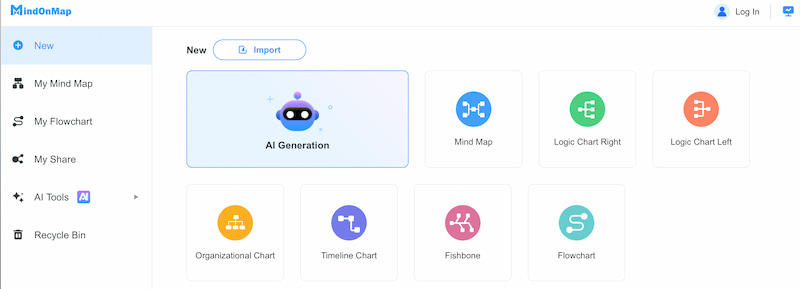
On the main interface or editing screen, use some Shapes to start designing your map. You can use these elements to build the foundation of your planner, to-do list, or reminder tab.
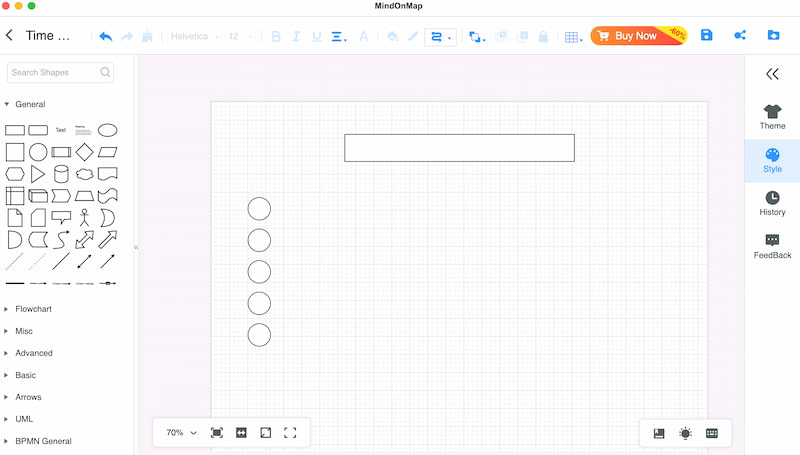
From there, you can now add the Text. These will be the details you need for your task, including the type, deadlines, and notes you want to add.
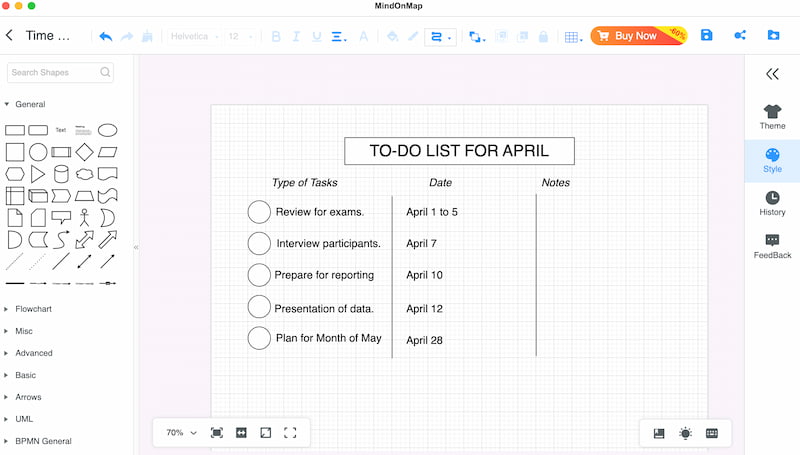
Finalize the map by adding some Colors and Themes. Finally, click the Export button and choose your preferred format to finish it.
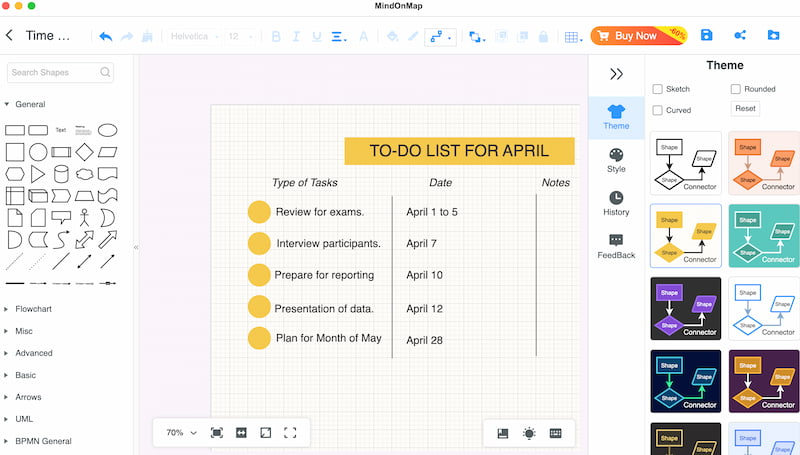
There you have it; you can see that the process of planning and organizing your tasks is now easy to do. You can use this as a first step in avoiding poor time management habits. Be productive and effective with everything you do as long as you plan with MindOnMap.
FAQs about Poor Time Management
What are the effects of poor time management on personal life?
Having poor time management can simply reduce family time, harm personal relationships, increase stress, disrupt routines, and can also have negative impacts on your health and overall well-being.
How can I avoid poor time management?
You can avoid having poor time management by simply planning tasks, prioritizing effectively, setting boundaries, managing distractions, and building consistent routines to improve focus, efficiency, and productivity.
Can tools help improve time management?
Yes, tools like MindOnMap can help you organize tasks visually. This can simply help you prioritize responsibilities, track deadlines, and maintain structure to have productive schedules.
Is procrastination always a sign of poor time management?
Not always. Because sometimes procrastination stems from fear or perfectionism. However, if it is now a habitual delay, then it usually indicates poor time management.
Conclusion
We get to the conclusion that having poor time management can really affect your productivity, effectiveness, and efficiency. More than that, you can always expect poor quality when you do not manage your time properly. Good thing we have MindOnMap that we can always use to organize and plan tasks for managing time properly. Use it now for free!