Learn What a Blended Learning Approach is & Design Learning
The blended learning approach combines traditional face-to-face classroom methods with digital tools to make a more flexible and engaging learning experience. It lets students benefit from the personal interaction of in-person teaching while accessing resources, assignments, and discussions online. In this post, we will explain blended learning, including its types, benefits, and challenges. We will also teach you how to design your learning structures using MindOnMap. So, read everything here and learn more about the topic.

- Part 1. What is Blended Learning
- Part 2. Types of Blended Learning Models
- Part 3. Benefits of Blended Learning
- Part 4. Challenges in Blended Learning Implementation
- Part 5. Use MindOnMap to Design Learning Structures
- Part 6. FAQs about Blended Learning
Part 1. What is Blended Learning
The blended learning method integrates traditional classroom instruction with online learning activities to create a more flexible and dynamic educational experience. It lets learners or students engage with materials both in person and through digital platforms. That way, they can have more control over the pace and style of their learning. The good thing about this approach is that it encourages collaboration, self-directed study, and the use of diverse resources to improve understanding. By merging face-to-face interaction with technology, blended learning aims to improve accessibility and overall effectiveness in education.
Part 2. Types of Blended Learning Models
In the context of Blended Learning, there are various types you must learn. These are:
Face-to-Face + Online Learning
This type of blended learning combines traditional classroom with online activities and resources. Learners can attend in-person classes for interaction and guidance while also completing various tasks, such as assignments, discussions, and practice exercises, online. This approach balances structured teaching with flexible digital learning.
Hybrid Learning
The hybrid learning approach blends in-person and online sessions, but often lets learners choose how they participate. Some students may attend the physical classroom, while others can join virtually, depending on their preferences, needs, and situation. Using a language-learning mind map can further enhance this approach by helping learners organize vocabulary, grammar concepts, and key ideas visually. This type of learning is perfect for ensuring continuity of learning across various environments and situations.
Flipped Classroom
In a flipped classroom approach, learners/students first grasp the material through online resources. It includes readings, interactive modules, and videos before coming to class. Classroom time is then used for simple discussions, applying knowledge, and problem-solving. This blended learning approach shifts the focus from passive listening to active engagement.
If you want to learn more about these types of blended learning, you can check the table below.
| Type | Flexibility | Student Engagement |
| Face-to-Face + Online Learning | Moderate – balance between fixed schedules and online access. | Encourages both direct interaction with teachers and independent online practice |
| Flipped Classroom | High – students control the pace of initial learning. | Promotes active participation, problem-solving, and deeper classroom discussions |
| Hybrid Learning | Very high – maximum choice of participation format. | Engagement depends on student preference. It supports inclusivity and diverse learning needs. |
Part 3. Benefits of Blended Learning
Blended learning content is not just a simple approach. It can also offer various benefits for learners. Read here and learn more about the benefits of Blended Learning.
Flexibility and Engagement
The good thing about blended learning is that learners can access a variety of materials anytime, anywhere. It can help them reduce travel and scheduling conflicts. It is also convenient for working students or those in different time zones.
Personalized Learning
The approach can adapt to various learning styles and needs. Learners can even review the discussion again and again, helping them to catch up with the lesson. With that, teachers can only give some guidance to help their students learn more.
Enhanced Engagement
With the help of various materials and both online and in-class discussions, e-learning will be more dynamic. With this combination, learners can participate more and get a deeper understanding of a certain topic.
Cost Efficiency
Online, students can access all the material and information they need. It can help them save time and money. It is also helpful to teachers since they don't have to spend more on purchasing materials for lectures.
Part 4. Challenges in Blended Learning Implementation
In blended learning, there are also some challenges you might encounter. Some of them are:
Internet Connectivity and Technical Issues
Since online e-learning requires an internet connection, a poor internet connection can affect the class, especially in rural areas. There are also times when computers, laptops, and other devices won't work properly.
Lack of Training
Some teachers may lack training in digital tools and online pedagogy. Without proper guidance, educators might struggle to teach their learners.
Assessment and Evaluation
Measuring students' performance across online and offline activities is complicated. Some teachers don't have enough materials to check the students' progress.
Part 5. Use MindOnMap to Design Learning Structures
Do you want to create and design your learning structure? In that case, you can use MindOnMap Flowchart Creator. This tool is ideal for educators and learners to structure knowledge visually and interactively. It lets you organize course content by breaking subjects into topics, modules, and subtopics, making complex material easier to understand. Additionally, you can plan learning paths by mapping out steps, prerequisites, and milestones to guide learners through a progressive learning process. Lastly, MindOnMap helps improve student engagement by making lessons into dynamic visual maps that encourage collaborative planning, active participation, and exploration.
To design your learning structure, you can use the simple steps below.
Step 1. Access MindOnMap in your browser. Then, proceed to its primary interface. You can also use the buttons below to access the tool on your desktop.
Secure Download
Secure Download
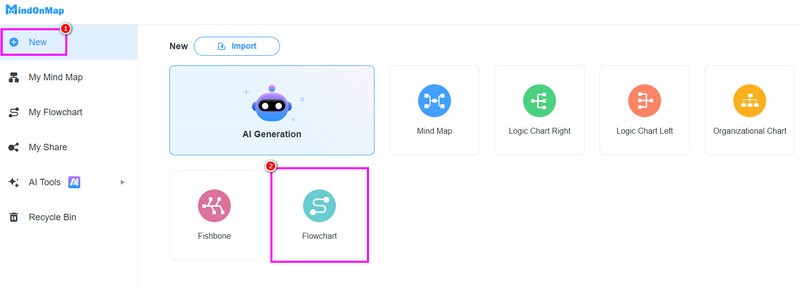
Step 2. Go to the New section and tap Flowchart to proceed to the tool's main interface.
Step 3. You can start designing your learning structure. Go to the General section and use your desired shapes and connecting lines. Then, double-click the shapes to add all the information.
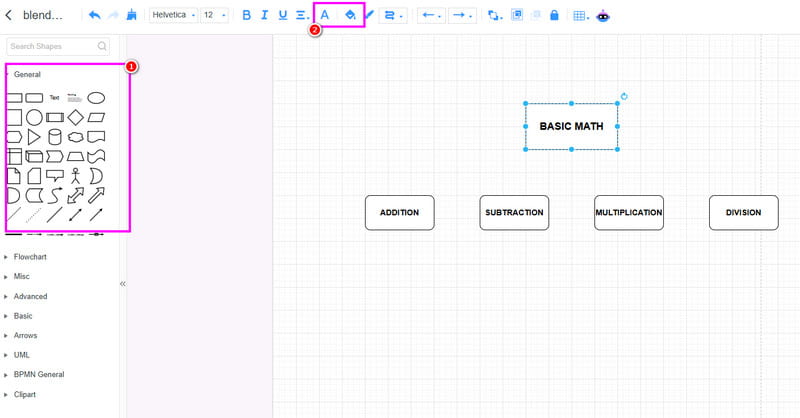
You can also use the Font and Fill tools to add color to your structure.
Step 4. Once you are done building your structure, you can click the Save button to save/keep the output to your MindOnMap account.
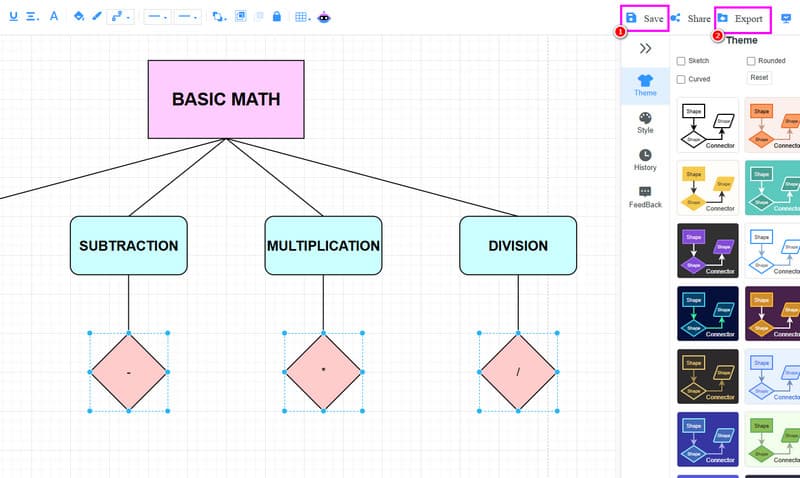
You can also tap Export to save the structure on your device.
Click here to see a learning structure designed by MindOnMap.
Part 6. FAQs about Blended Learning
What are the best blended learning platforms?
If you need an ideal blended learning platform, you can try using Moodle, Canvas LMS, Talent LMS, and Cloud Assess. These tools ensure that you can have an effective learning class.
What is Blended e-Learning?
Blended e-learning combines online learning, such as modules, videos, and quizzes, with traditional classroom learning. With this approach, learners can access all the knowledge they need online and offline, which is more engaging.
Is Blended Learning the best solution?
In the modern era, blended learning is a solution for many people, especially students and learners across different regions. It also allows them to use various e-learning materials for interactive learning.
Conclusion
Now you have learned everything about Blended Learning, along with its different types, benefits, and challenges. Plus, you also discovered MindOnMap as an exceptional tool for designing learning structures. Thus, always rely on this tool for a better, more comprehensive visual aid for learning.