Collaborative Planning: Importance, Workflows, and Tools
Collaborative Planning is a structured technique where teams or individuals work together to set goals, create strategies, and coordinate actions toward a shared goal. In this guide, we will discuss everything about collaborative planning. You will get more insights about its importance, tools to access, and its workflows. You will also discover the best tool you can use for team planning. Thus, read this post and learn more about the discussion.

- Part 1. Why Collaboration is Important
- Part 2. How Collaborative Planning Works
- Part 3. Use MindOnMap for Team Planning
- Part 4. FAQs about Collaborative Planning
Part 1. Why Collaboration is Important
Collaboration in collaborative planning is important since it brings together diverse perspectives/ideas, knowledge, and skills, which leads to more innovative, ideal, and effective solutions. It ensures that all stakeholders are engaged, creating a sense of ownership and accountability for the outcomes. By working together, teams can avoid duplication of effort, resolve conflicts more efficiently, and build stronger trust among participants.
To get more ideas on why collaboration matters, you can check the information below.
- • It encourages innovation and creativity through shared knowledge.
- • Collaboration improves decision-making by integrating multiple thoughts or viewpoints.
- • It can build trust among the teams, making a stronger relationship.
- • The collaboration can promote transparency and lessen misunderstanding.
- • Through data collection, it can strengthen problem-solving.
- • It can increase the commitment and accountability to the shared objectives.
Part 2. How Collaborative Planning Works
What is Collaborative Planning
Collaborative planning is a technique and procedure where teams, organizations, or individuals work together to achieve the same goal. They design various approaches/strategies, set plans and objectives, and coordinate actions towards a shared outcome/vision. Compared to traditional planning that relies on a single authority or perspective, collaborative planning focuses on inclusivity, transparency, and joint decision-making. By sharing and giving various viewpoints, it creates plans that are more adaptable, understandable, and aligned with the needs of all members involved.
Fundamentally, collaborative planning is about reaching an agreement and encouraging teamwork. It is to ensure that resources are spent efficiently and objectives are met cooperatively. Plus, including everyone in the planning process, it promotes open communication, lessens misconceptions, and increases accountability. In addition to improving decision quality, this strategy increases participant commitment and trust, which makes plan implementation more successful and long-lasting.
Basic Steps in Collaborative Planning
Under collaborative planning, there are steps or workflows you must follow to create a well-structured plan. To explore the steps, you can read all the details below.
Set Goals
The very first step is setting the goal. Establishing clear and shared objectives is helpful for everyone. The goal will be the best foundation you can have to get a better direction. It even ensures that all the members or participants are working towards the same outcome. Additionally, in this step, you must be specific, measurable, and matched with the overall vision of the group or organization.
Assign Roles
After identifying the goals, responsibilities must be assigned among the team members. Distributing the roles ensures accountability and leverages each individual's strengths, making the planning process more efficient. Having a clear role can prevent overlap and confusion during the execution.
Track Progress
Tracking or monitoring the progress is necessary to keep the plan working and on course. This step involves milestones, using tools to measure performance, and handling regular check-ins. Keeping the progress on track ensures that resources are being used effectively.
Review and Adjust
For the last step, collaborative planning needs continuous evaluation and flexibility. Teams should regularly review outcomes against objectives and make some adjustments. This step ensures a continuous improvement and long-term success.
Tools for Collaborative Planning
When collaborating with team members, having excellent real-time collaboration tools is essential for improving communication, workflow efficiency, and strategic planning. The tools below can help teams manage projects, share ideas, and streamline collaborative planning processes more effectively.
| Tool | Best For | Strength |
| Trello | Task tracking | Simplicity |
| ClickUp | All-in-one management | Power features |
| Notion | Knowledge + planning | Flexibility |
1. Trello
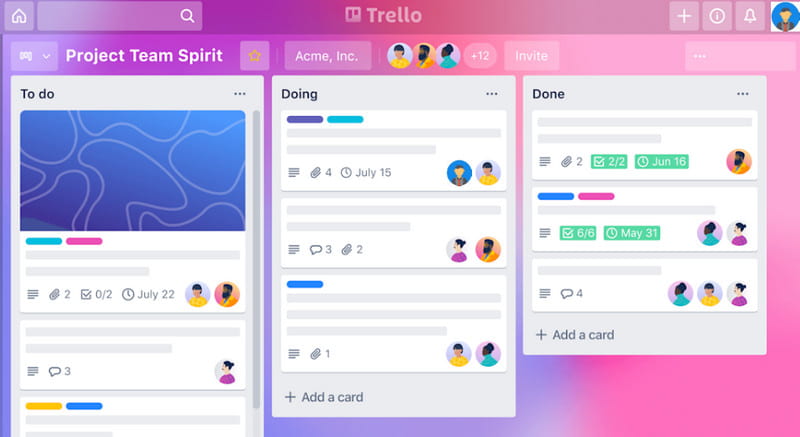
This task management tool is perfect for collaboration. It can offer helpful boards, cards, and lists to organize workflows and tasks. What we like here is that it is intuitive, allowing users to collaborate in real-time by distributing tasks, setting deadlines, and tracking progress.
2. ClickUp
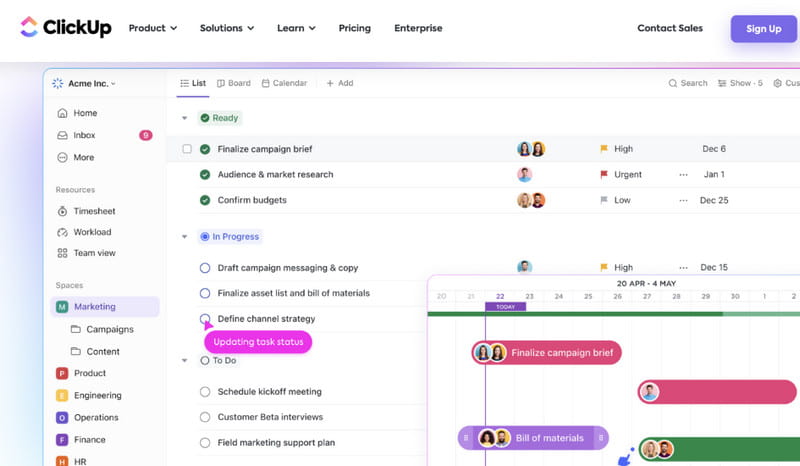
If you need an all-in-one productivity platform that can manage tasks, goals, and documents, you can use ClickUp. It can even offer a communication feature, allowing you to connect and communicate with other users or team members, making the planning more engaging.
3. Notion
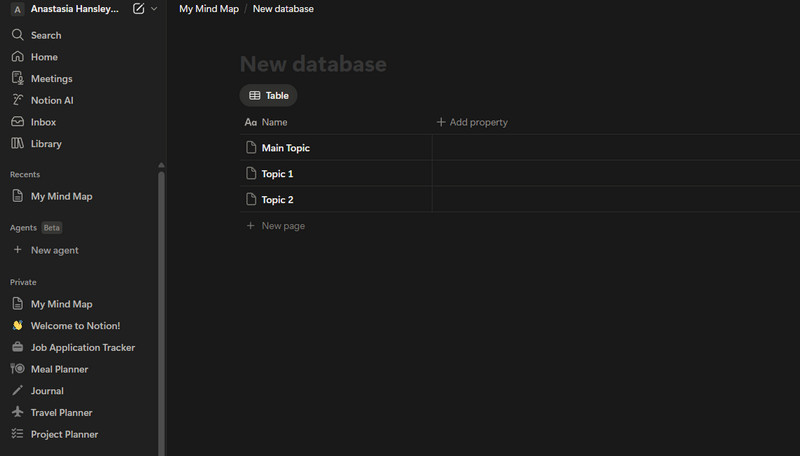
Another tool you can use for collaborative planning is Notion. This tool is capable of providing a better workspace that combines task management, database functions, and note-taking. Teams can create shared pages, organize information, and track tasks, making it an ideal tool for collaboration. With its versatility, it becomes the ideal tool for collaborative planning, viewpoint sharing, and creating structured workflows tailored to specific needs.
Collaborative Planning Examples
To get more ideas about collaborative planning, you can view the examples below.
Collaborating Planning Forecasting
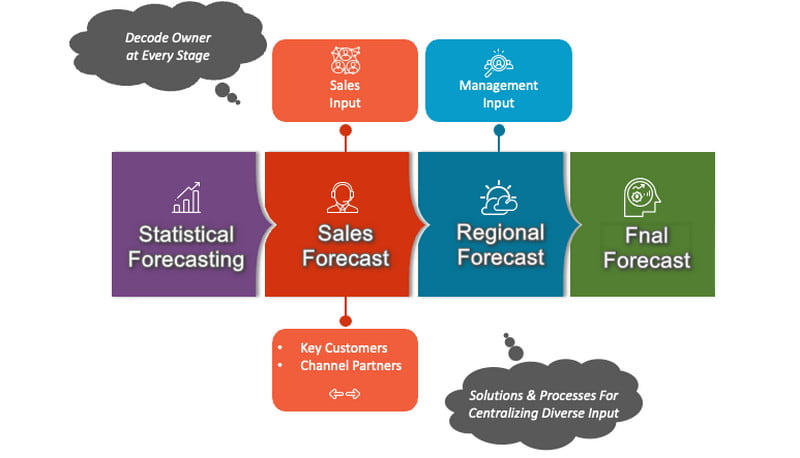
Because it demonstrates how several stakeholders (such as sales teams, management, and important clients) contribute inputs that are combined into a single prediction, this visual representation is an excellent illustration of collaborative planning. The final forecast is more accurate, balanced, and universally accepted when several viewpoints are combined, and processes are centralized.
Collaborating Planning Community
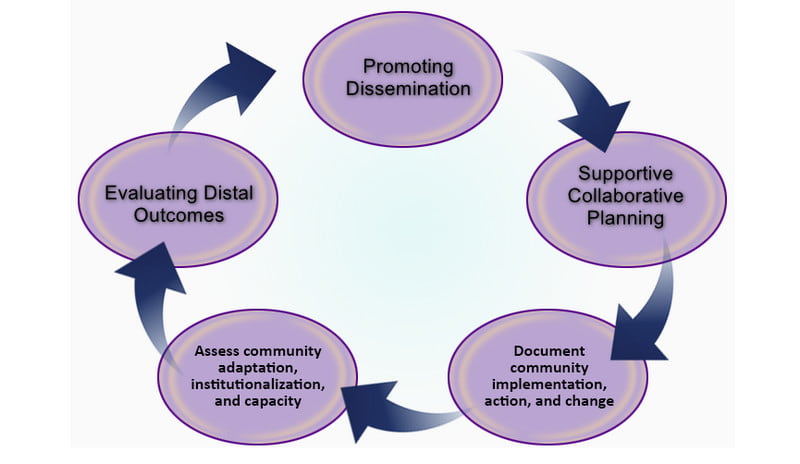
This is another example of community collaborative planning. It shows how community efforts progress through stages of action, assessment, and adaptation. Each stage feeds into the next, resulting in an ongoing cycle of development driven by collective input and cooperation.
Part 3. Use MindOnMap for Team Planning
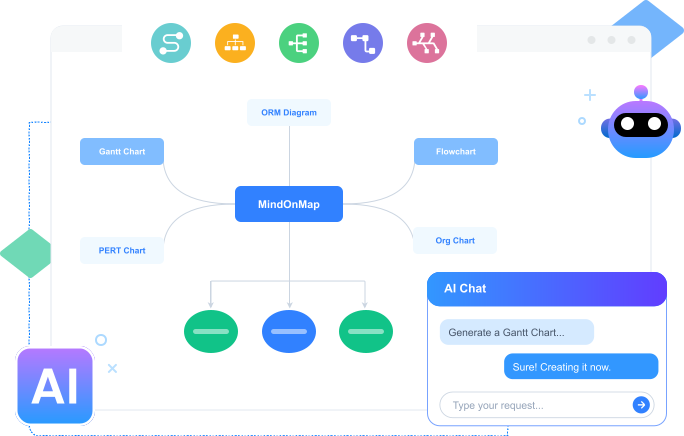
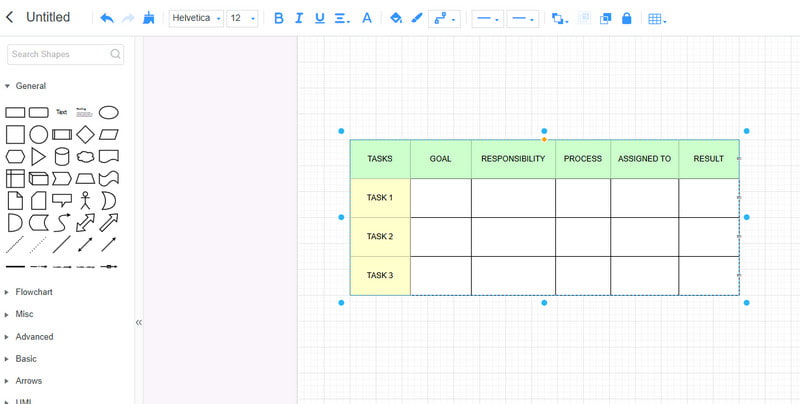
Planning and collaboration are necessary if you want to get an ideal and better outcome. So, when it comes to that, you must know that using an exceptional task planning tool is recommended. With that, if you need the best tool you can rely on, we suggest using MindOnMap Flowchart Maker. This tool is perfect since it can give you all the features you need. You can add a table, shapes, lines, text, and more, allowing you to organize your task based on your needs.
Additionally, this tool has a simple layout, so you can use all the functions easily, which is also perfect for beginners. You can even use its Share feature to send and share the work with other users. The best part here is that you can access its auto-saving feature. With this feature, the tool can automatically save your work, ensuring that you won't lose any data. Thus, if you want the best team planning tool, rely on MindOnMap.
Secure Download
Secure Download
Part 4. FAQs about Collaborative Planning
Is collaborative planning only for a large group or organization?
No. Any group of all sizes can benefit from collaborative planning. This helps improve accountability and alignment, ensuring that the outcome is reached smoothly.
What is Collaborative Capacity Planning?
This type of planning focuses on aligning available resources, such as equipment, production capability, and workforce, with expected needs.
Can collaborative planning be applied outside of business?
Absolutely, yes. Collaborative planning is not only ideal for business. You can also use it in various fields, such as education, community initiatives, event planning, and even government projects.
What is Collaborative Demand Planning?
This planning is about forecasting customer demand by involving various stakeholders to improve accuracy.
Conclusion
Collaborative planning is an excellent process for sharing ideas and reaching the same goal. Thanks to this post, you have learned more about this approach. You even explored the basic steps, importance, and examples. Plus, if you need a tool that is perfect for team planning, we suggest using MindOnMap. This tool can give you all the features you need, allowing you to insert and organize all the tasks appropriately, making it the best tool you can utilize.