Simple Definition of Collaboration: Complete Guide [2026]
Want to learn more about the definition of collaboration? Well, it is the process of people working together to achieve the same objective. It involves sharing ideas, effort, and skills. Collaboration fosters better teamwork by encouraging open communication, collective problem-solving, and mutual respect. So, if you are interested in learning more about collaboration for better teamwork, read here, as we provide all the information you need.

- Part 1. What is Collaboration in the Workplace
- Part 2. Key Elements of Effective Collaboration
- Part 3. Benefits of Team Collaboration
- Part 4. Common Challenges in Team Collaboration
- Part 5. Use MindOnMap to Improve Team Collaboration
- Part 6. FAQs about Collaboration Definition for Better Teamwork
Part 1. What is Collaboration in the Workplace
Want to know what collaboration means in the workplace? It is the practice of employees working together by sharing ideas, responsibilities, and capabilities to achieve the same goal. It creates an environment where teamwork thrives, communication flows smoothly, and diverse perspectives lead to innovative solutions. The benefit is that organizations can improve by fostering collaboration.
Part 2. Key Elements of Effective Collaboration
After defining collaboration in the workplace, you also need to understand its key elements. Proceed to this section and learn more.
Communication
It is the foundation of effective collaboration. Communication ensures team members share feedback, ideas, and concerns clearly. Knowing how to have constructive communication can also help teams prevent misunderstandings, resolve conflicts, and keep everyone aligned on goals and progress.
Trust
Another key element of collaboration is trust. It matters because it lets team members rely on one another and feel confident in each other's contributions. Without trust, collaboration can break down because people may hesitate to share ideas or take risks. Building trust creates a good environment where teamwork can thrive.
Shared Goals
Shared goals can give the team a common purpose and direction. They ensure everyone works toward the same outcome. If the objectives are clearly defined and agreed upon, collaboration becomes more productive and focused. Shared goals motivate team members to contribute their best.
Role Clarity
When roles are clear, everyone knows their responsibilities. They also understand how they fit into the team's broader task. Collaboration runs more smoothly when responsibilities are clearly defined because it avoids overlap, confusion, and wasted effort. Everyone can contribute successfully and help others when they know their role.
Part 3. Benefits of Team Collaboration
Now that you know what a collaborative team is, it's time to explore its benefits. So, read this part and discover what collaboration can offer.
Improved Problem-Solving
One benefit of collaboration is that it lets teams approach challenges from multiple angles. It can result in more creative and effective solutions than individuals could achieve alone. By working together, each member can identify issues faster and resolve them more efficiently.
Enhanced Productivity
During collaboration, teams assign tasks based on expertise and strengths, reducing duplicated effort. This helps the project move forward faster with fewer obstacles. As a result, productivity increases and deadlines are met consistently.
Knowledge Sharing
Team collaboration creates opportunities for each member to learn from one another's expertise and experience. Through idea exchange, each member grows professionally and strengthens the team's overall skill set. Collaboration also ensures valuable insights aren't isolated but accessible to everyone.
Stronger Relationships
By promoting honest communication and shared accountability, collaboration helps team members develop mutual respect and trust. People who collaborate closely can better see each other's strengths and weaknesses. This eventually strengthens ties and creates a more encouraging workplace.
Better Decision-Making
Collaboration ensures that different experiences and viewpoints inform decisions. It also lets all members share ideas about the best actions to take, especially when solving a specific problem. As a result, the team can make an innovative, practical decision.
Collaboration vs. Teamwork
| Collaboration | vs. | Teamwork |
| Innovation, problem-solving, and combining diverse perspectives | Focus | Efficiency, harmony, and execution of planned tasks |
| Emphasizes open dialogue and joint decision-making | Approach | Emphasizes role fulfillment and collective task completion |
| New solutions, creative strategies, and improved processes | Outcome | Achieving goals smoothly and effectively |
| More dynamic and idea-driven | Nature | More structured and task-driven |
Part 4. Common Challenges in Team Collaboration
Although team collaboration offers many benefits, you may also encounter challenges. Some of them are:
Role Confusion
Undefined roles can also cause frustration and inefficiency. Without clarity, the project may be neglected or duplicated, resulting in poor collaboration.
Poor Communication
A lack of clear updates can lead to confusion and duplicated work. Without good communication, project management can become chaotic.
Unclear Objectives
When objectives aren't shared with all members, they may work in different directions. Effective collaborative planning helps teams align goals, clarify priorities, and ensure everyone works toward the same outcome. Without clear objectives, this misalignment can slow progress and lessen cooperation.
Part 5. Use MindOnMap to Improve Team Collaboration
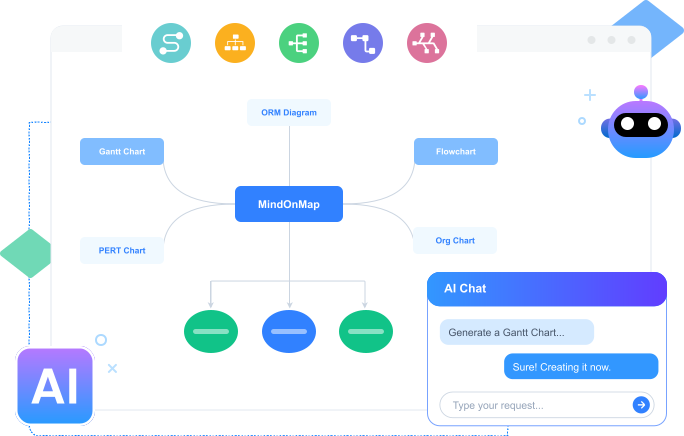
Are you looking for the best collaboration tool that can improve team collaboration? In that case, you can access MindOnMap Flowchart Creator. With this tool, you can make working with your team smoother and more effective. The tool can:
Visualize Workflow
It lets your team create a clear flowchart or process diagram. It makes it easy to see how tasks connect and flow. It can also help to identify bottlenecks, streamline steps, and ensure each employee understands the overall workflow.
Clarify Task/Responsibilities
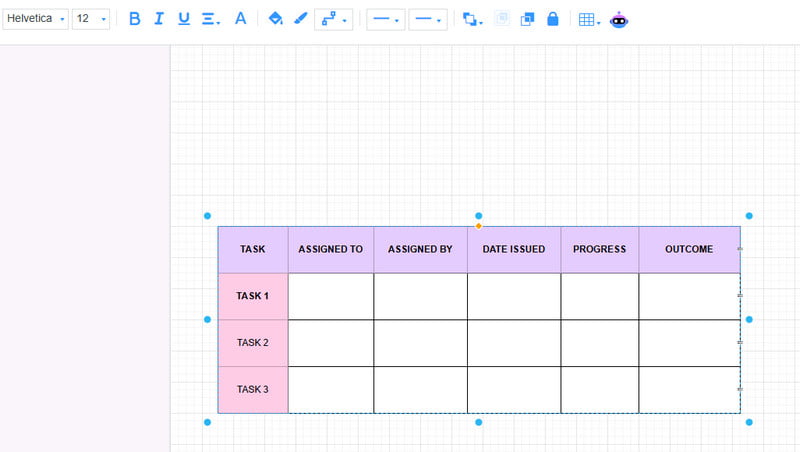
MindOnMap lets you assign roles and duties clearly. It can identify who is in charge of each project component. This clarity ensures accountability, minimizes overlap, and prevents missed tasks. With roles clearly defined, team members can focus on their individual contributions.
Align Team Goals
What we like about MindOnMap is that it helps the team outline shared goals and link them to individual tasks. This alignment ensures each member works toward the same goal. Plus, keeping the objective connected and visible helps the team stay coordinated and motivated.
Secure Download
Secure Download
Part 6. FAQs about Collaboration Definition for Better Teamwork
Why is collaboration important?
Well, collaboration can build trust with other team members. It can also improve communication and ensure that all the members have the same objectives.
Is collaboration an excellent strategy for better teamwork?
Definitely, yes. Collaboration is the best way for the team to stay connected. It can also help the team make wise decisions, create a structured plan, and distribute tasks smoothly.
What is the best collaboration tool?
If you want the best collaboration tool, we suggest MindOnMap. This tool is ideal because it helps you visualize the workflow, align the team's goals, and clarify responsibilities. It also has a simple UI, making it simple to operate.
Conclusion
Now, you have learned what collaboration is. You even discovered its key elements, benefits, and common challenges. You also learned that to improve team collaboration, you need a strong tool like MindOnMap. This tool gives you the features you need to collaborate with your team easily and smoothly. Rely on this tool to achieve your objective through strong team collaboration.