Models of Change Management: 3 Frameworks That Actually Work
A Model of Change Management is needed to maintain a structured framework for your organization. In this model, you will see a planned transformation and a new way of how your organization will work. With that, read this article as we discover and review its meaning and purpose. Thus, creating this requires a tool that gives you all the features you and we have here. Every detail you need is presented here, so it's better to read now and discover them all.
- Part 1: What are the Models of Change Management
- Part 2: Why Change Management Models Are Important
- Part 3: Common Types of Change Management Models
- Part 4: Common Challenges in Managing Organizational Change
- Part 5: Use MindOnMap to Plan Change Management Strategies
- FAQs about Models of Change Management
Quick Answer: Change management models are structured frameworks that help organizations plan, implement, and sustain change. Three widely used models are Lewin’s Change Management Model, Kotter’s 8-Step Model, and the ADKAR Model. Each serves different needs, from managing process transitions to driving organization-wide transformation and supporting individual adoption.
Part 1: What are the Models of Change Management
Defining a change model means it is a structured framework that you can use to guide your organization with your planned transformation and process of naming all of the issues and problems that might happen with your new process of working. In simple words, a change model is a repetitive step-by-step process that will bring your organization to a stabilized new state.
Change management is often part of project management, helping teams coordinate people, processes, and resources during organizational transitions.
Part 2: Why Change Management Models Are Important
After knowing the main definition of a change management model, we shall now go deeper into the importance of these models. Here are three points for it:
- • Structure Guide: This will give us a clear roadmap of what we want to see. Allowing organizations to follow proven practices that will lead the projects to success.
- • People Support: The model often emphasizes clear communications, good training, and encourages involvement to help your employees feel supported and engaged.
- • Risk Reduction: This framework can give you an overview of the possible risks, problems, and issues that might happen in the process. Allowing us to prevent them as soon as possible.
Part 3: Common Types of Change Management Models
1. Lewin’s Change Management Model
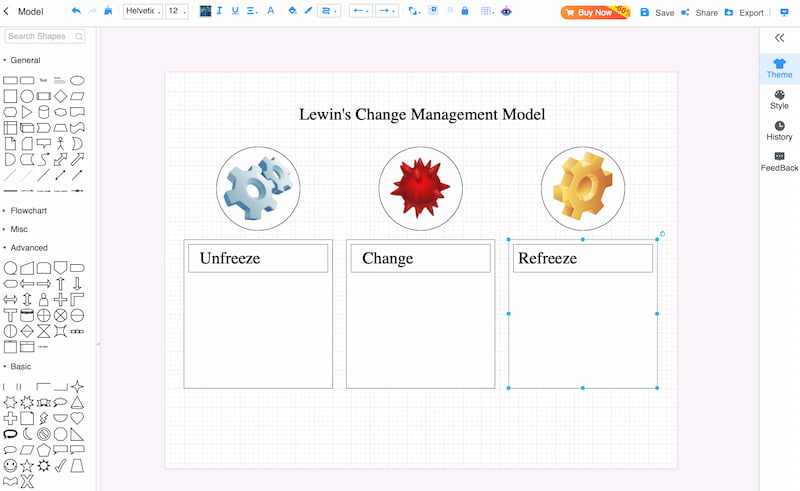
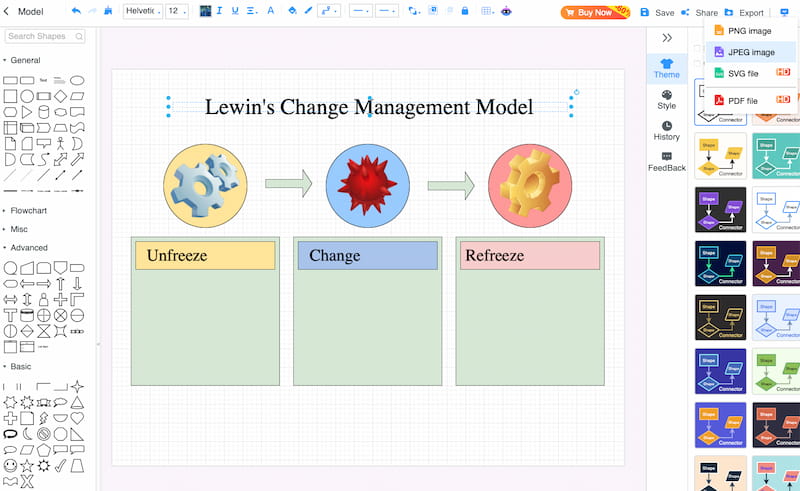
Lewin’s Change Management Model divides organizational change into three stages: Unfreeze, Change, and Refreeze. It is especially useful for organizations introducing a specific policy, workflow, or operational change.
Steps:
- 1. Unfreeze: Explain why the existing process needs to change, identify potential concerns, and prepare employees for the transition.
- 2. Change: Introduce the new process, provide training, and support employees as they adapt.
- 3. Refreeze: Make the new process part of daily operations through updated procedures, performance standards, and regular feedback.
Best For: Small to medium-sized teams implementing a clearly defined process or policy change.
Mini Case: A customer service team wants to replace manual ticket tracking with a centralized help desk system. The manager first explains the limitations of the current workflow, then trains employees to use the new system. After implementation, the team updates its standard operating procedures and reviews ticket-handling performance to ensure consistent adoption.
2. Kotter’s 8-Step Change Model
Kotter’s 8-Step Change Model provides a structured approach to organization-wide transformation. It emphasizes leadership, employee engagement, a shared vision, and long-term adoption.
Steps:
1. Create a Sense of Urgency: Explain why the change is necessary and what may happen if the organization does nothing.
2. Build a Guiding Coalition: Assemble influential leaders and employees who can support the change.
3. Form a Strategic Vision: Define the desired outcome and develop a clear strategy.
4. Enlist a Volunteer Army: Communicate the vision and encourage employees to participate.
5. Enable Action by Removing Barriers: Address outdated policies, skill gaps, and other obstacles.
6. Generate Short-Term Wins: Set achievable milestones and celebrate early progress.
7. Sustain Acceleration: Use initial successes to drive further improvements and maintain momentum.
8. Institute Change: Embed new practices into organizational culture, policies, and everyday work.
Best For: Medium to large organizations undertaking strategic transformations, cultural changes, or major technology implementations.
Mini Case: A retail company plans to move from traditional in-store operations toward an integrated online and offline sales model. Senior leaders explain the competitive need for change, form a cross-functional team, and communicate a shared vision. They then train store employees, pilot the new system in selected locations, celebrate improvements in order fulfillment, and expand the approach across the business.
3. The ADKAR Model
The ADKAR Model focuses on the individual changes employees need to experience for an organizational initiative to succeed. Its five elements help managers identify where employees are struggling and provide targeted support.
Steps:
1. Awareness: Help employees understand why the change is necessary.
2. Desire: Build their willingness to participate and support the change.
3. Knowledge: Provide the information and training needed to change.
4. Ability: Give employees opportunities to apply their new skills with practical support.
5. Reinforcement: Recognize progress, address setbacks, and reinforce the new behaviors.
Best For: Training rollouts, software adoption, and changes that require employees to develop new skills or behaviors.
Mini Case: A company introduces a new project management platform, but some employees continue using spreadsheets. The manager explains how the platform improves collaboration, gathers employee feedback to address concerns, provides hands-on training, and offers one-on-one assistance. The company then recognizes teams that adopt the platform effectively and reviews usage data to identify employees who need further support.
How to Choose the Right Change Management Model
Choose Lewin’s Model when you need a straightforward framework for moving from an existing process to a new one. Use Kotter’s 8-Step Model when a transformation requires coordinated leadership, broad employee participation, and sustained organizational commitment. Choose ADKAR when individual awareness, willingness, knowledge, skills, and continued adoption are the main challenges.
These models can also complement one another. For example, an organization can use Kotter’s model to lead a company-wide transformation, Lewin’s stages to structure a specific process transition, and ADKAR to address individual employees’ adoption challenges.
Part 4: Common Challenges in Managing Organizational Change
As you create and venture into managing organizational change, it is important to know that there are common challenges that every manager has experienced with it. The following challenges are:
- • Change Resistance. Employees resist change, especially when the whole point of change is unclear to them. Thus, letting your employee be fully aware of the process is indeed important here.
- • Single-way communication. A launch email is not equal to communication. You need to repeat it all over again. MAny professionals suggest at least 7 to 10 times using various mediums and channels. A clear communication matrix helps managers explain the reasons for change, address employee concerns, and keep stakeholders informed throughout implementation.
- • Resource Limitation. You limit your time, budget, and headcount allocation to run the project. This will cause the project to collapse or at least be in vain.
- • Cultural problem. Some changes are against cultural beliefs, values, and rituals. Thus, you need to ensure that any changes that we need to make will not affect these matters.
Part 5: Use MindOnMap to Plan Change Management Strategies
MindOnMap
At this moment, you already know what the change model is all about, especially in changing the management structure. Thus, as you proceed in the process of creating your own model, you will need the help of the amazing MindOnMap. This tool offers various features that can make the process easier. You can use a wide range of elements here, plus a simple interface that makes it smooth for you to design. In addition, sharing the output with your team is also easy to do. Learn more about its key features and a simple way to use it below:
Key Features
- • Various features for creating charts and models.
- • A wide range of elements to add to the models.
- • Save with multiple formats.
- • Collaborative features with a link.
Steps to Use MindOnMap
Install MindOnMap on your computer for free. You just need to download it from their website or access the download buttons below:
Secure Download
Secure Download
See the interface and access the Flowchart feature. This can help you create a change model freely and easily.
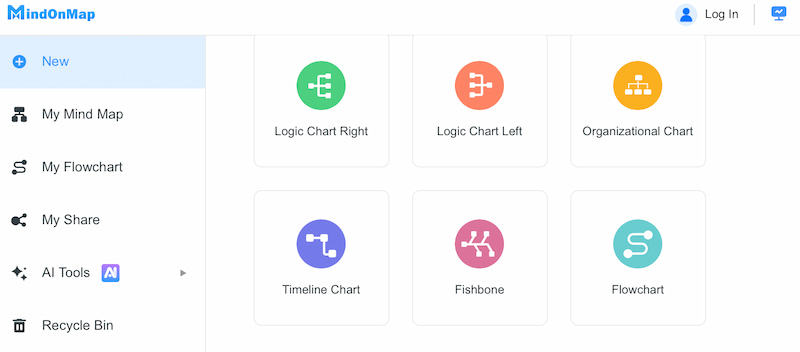
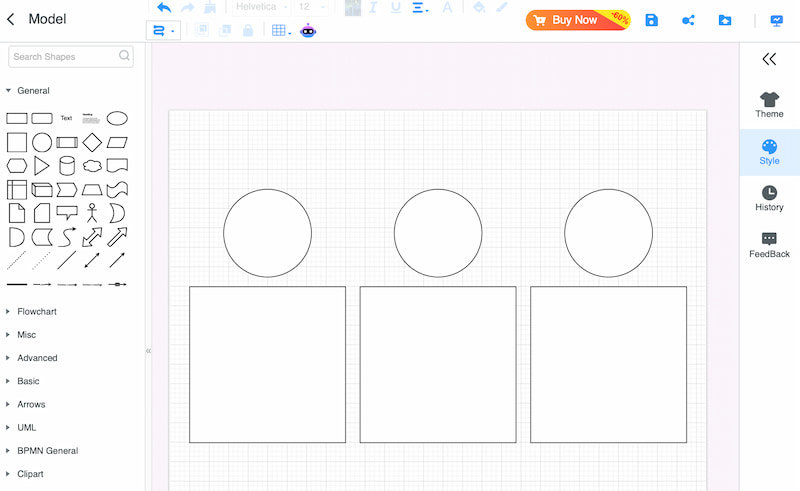
On the blank canvas, use the different elements now to add the important details of your model. In this case, we will add three main Shapes for the Lewin's Change Management Model.
Now, use the Text features to add labels on each for the Unfreeze, Change, and Refreeze.
You can now select the Theme or set Colors for the overall look of your models. Click Export and save the model in the file format you want.
FAQs about Models of Change Management
How do I choose the proper model for my organization?
This will depend on the size of your organization, culture, and type of change you want to achieve. For references, Kotter's 8-step can work well in a larger organization, while ADKAR can work with individual adoption.
Can I combine multiple models in one?
Yes. You can always combine multiple models in one to create your own version. There is no objectified model. You can always create based on your need that will match the change you want to pursue for your organization.
What will happen if we ignore a change management model?
Ignoring a change management model also means you are throwing away structured models that are supposed to lead you to success. This situation can lead you to missing deadlines, exceeding budgets, failing deliveries, and low outcomes.
Are change management models still relevant in agile organizations?
Yes. Agile organizations need this model to have a clear roadmap. In line with that, it is recommended to use a Prosci ADKAR model that will align with them.
Conclusion
Change management methodologies, tools, and models are really important in your organization, especially when you change. This serves as your roadmap, giving you a high chance of success with your projects. Thus, you should not ignore it. Good thing, MindOnMap offers superb features that will help you easily create your own channel. You can get it now for free, and as you start owning that success towards change management aspects.