The Power of Academic Goals: A Clear Path for Studying
An academic goal is a specific objective that students set to improve their learning, skills, grades, or educational achievements. It provides direction, motivation, and a clear plan for academic success. Being a student means thinking and managing a lot of things at the same time. Exams, performance tasks, organization tasks, and more. You are not a superhero to manage them all easily, and it is valid if you think that these responsibilities are a burden to you. However, here is a key to it: manage your time and set academic goals. These will help you make the study flow smoothly. Having a goal for your study will inspire you to keep going and to do things effectively and efficiently. Get up there, child, let us discover your goals in academics and how you properly manage them. All of the details you need are written in this article, so you'd better read it now to learn more about it.

- Part 1: Importance of Setting Goals
- Part 2: Definition & Types of Goals
- Part 3: Mind Map: Goal Planning
- FAQs about Academic Goal
Part 1: Importance of Setting Goals
Having a goal means having a direction in everything that you are doing. People set goals for their study, work, passion, and any aspects of life so that they know that their efforts will be meaningful. Therefore, setting academic goals can help you manage overwhelming tasks more easily and effectively. Alternatively, using task management software can help you organize tasks, clarify priorities, and keep track of your progress.
- Motivational Anchor. Our goals in academic pursuit will serve as a motivational anchor. They will keep reminding you why you started and the reason why you keep moving forward even when challenges arise.
- Measurable Sense of Achievement. Setting a goal in academics will definitely give you a sense of achieving something. It is a direction towards your dream destination.
- Accountability and Self-Discipline. When you create a target, it encourages you to do it by creating the right decision and attitude for achieving it. Setting a goal is the first act of self-discipline and accountability for doing the thing you need to get done.
Part 2: Definition & Types of Goals
Short-term vs Long-term Goal
| Types of Goals | Definition | Purpose | Examples |
| Short-term | ●Objectives you aim to achieve in the near future, usually within days, weeks, or months. ●It is a goal that you need to achieve in a short span of time. | They provide immediate focus and motivation, helping you build momentum. | ●Completing an assignment by the end of the week. ●Saving money for a new gadget within three months. ●Improving grades in a specific subject this semester. |
| Long-term | ●Objectives that require extended time and consistent effort, often spanning years. ●A goal that you cannot take a shortcut to, because you need to take the time to achieve it. | They give you a broader vision and direction, shaping your overall life path. | ●Graduating with honors from university. ●Building a successful career in your chosen field. ●Buying a house or achieving financial independence. |
SMART Goal Setting
The SMART goal setting method is one of the most popular ways of setting a goal in an academic aspect. SMART is an abbreviation for Specific, Measurable, Attainable, Relevant, Time-bound. This is a simple way of organizing your goal in accordance with the criteria of SMART. For example:
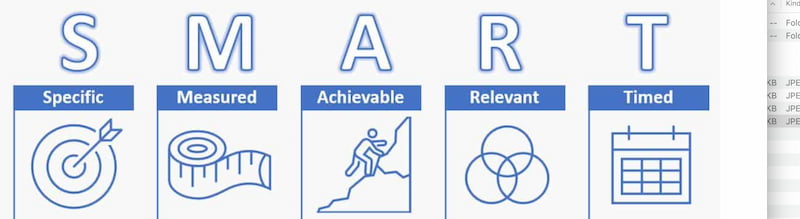
- • Specific Goal. To graduate with latin honor.
- • Measurable aspects are having high scores in exams and slaying every performance task.
- • Attainable are extra efforts that are still achievable like studying extra an hour for a day.
- • Relevant. To get a great job after studying.
- • Time -bound. Four years or the years that your program requires you to study.
Tracking Progress: Tools & Methods
Setting goals is only the first step because tracking your progress is needed to ensure you stay on track and make adjustments whenever you need to. In line with that, here are common effective tools and methods you can use.
- • Journals or Planners. You can write down daily or weekly tasks you need to do. Then, with these tools, you can reflect on what you accomplished and what needs improvement. In this method, it can now help you see patterns in productivity and motivation.
- • Digital Apps. Nowadays, you can use apps like Trello, Notion, or Google Tasks to organize goals. These can give you the ability to set reminders and deadlines to stay accountable and on track with the things you need to do.
- • Task Checklist. You can always break big goals into smaller and actionable steps. A small step towards achieving something also means moving forward. Tick off completed tasks for a sense of accomplishment. Finally, keep you focused on immediate priorities.
Part 3: Mind Map: Goal Planning
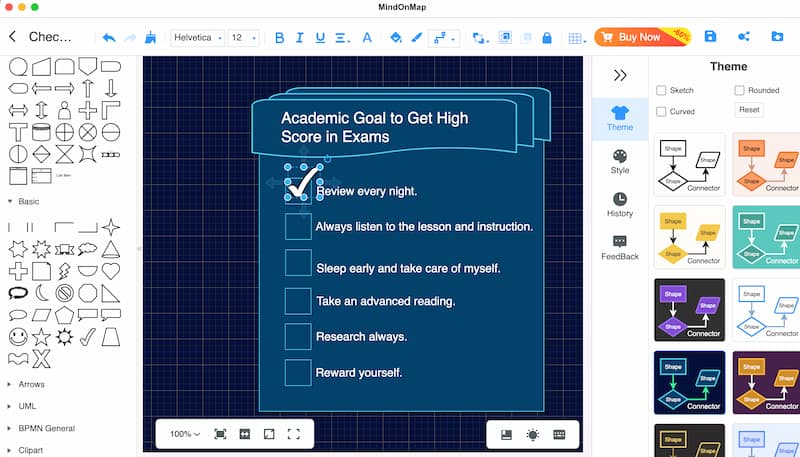
We get to know that having a digital application, journal, or anything that you can use to organize your goals is really effective. Therefore, mapping all of the goals is also a great thing to do. Good thing we have MindOnMap here that can help us map every detail you need, such as creating checklists, a digital journal, a planner, and more of the tools you need for setting an academic goal. These tools come with various elements, shapes, texts, themes, colors, and more to make your tool appealing. Take a look at the easy steps in using it.
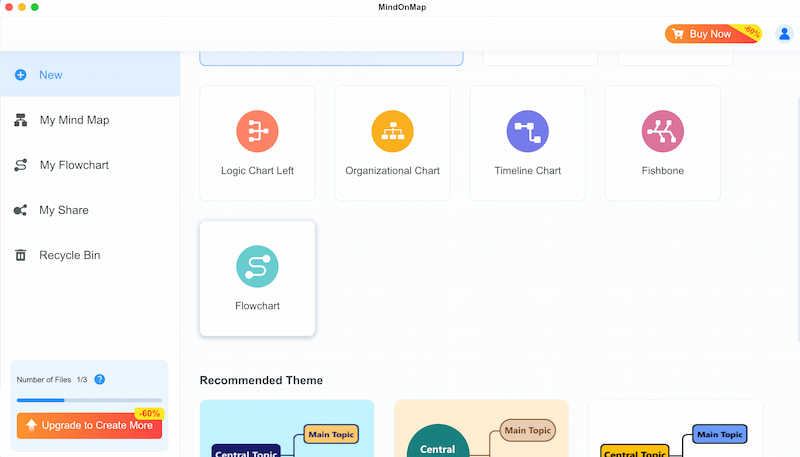
Visit the official MindOnMap website.
At the interface of the tool, kindly choose the feature of Flowchart. This feature can give you the ability to create a limitless layout for your tool in setting a goal.
Use the Shapes feature in the layout to achieve the look of your goal. You can do a simple checklist or a planner; it all depends on your preference.
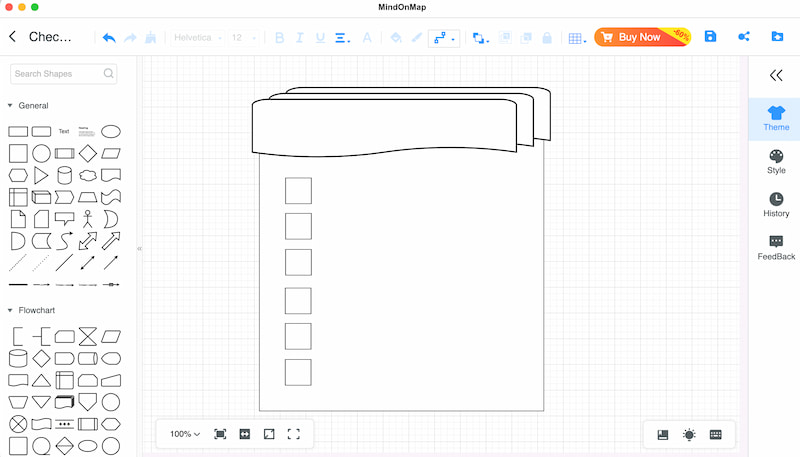
Start adding Text so that you will now place every detail you need.
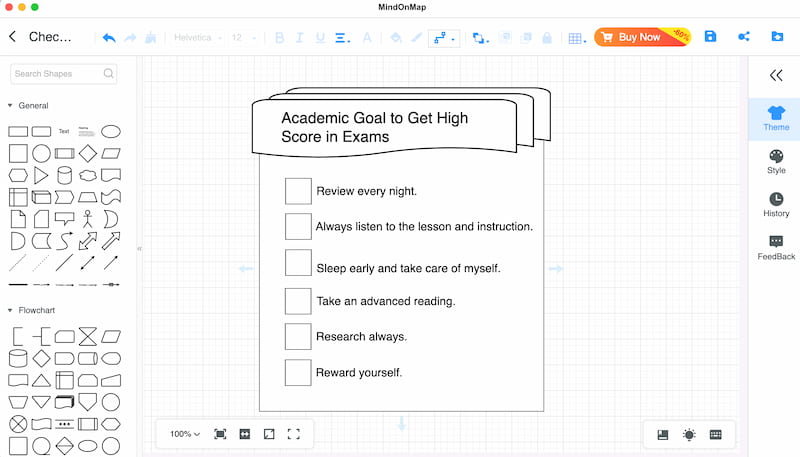
Now, start adding your preferred Theme or Color. This will give us an appealing look at a checklist we are doing. Finally, click Export and save it with your preferred file format.
FAQs about Academic Goal
What are examples of academic goals?
Academic goal examples include improving grades, developing study habits, completing assignments on time, learning new skills, and preparing for future career opportunities.
How do you set effective academic goals?
To set effective academic goals, define a clear objective, make it measurable, create an action plan, set a deadline, and regularly track your progress.
What is the difference between short-term and long-term academic goals?
Short-term academic goals focus on immediate achievements, such as completing assignments or improving a subject grade. Long-term academic goals require more time and include objectives like graduating or building career skills.
Conclusion
To conclude this article, just remember that having a goal in academics is a great thing to do. You are there for a reason, so better create a direction. Do not waste the opportunity and privilege you have. Set goals for the future. This is just easy; use tools like MindOnMap to make it possible. You can always do it.